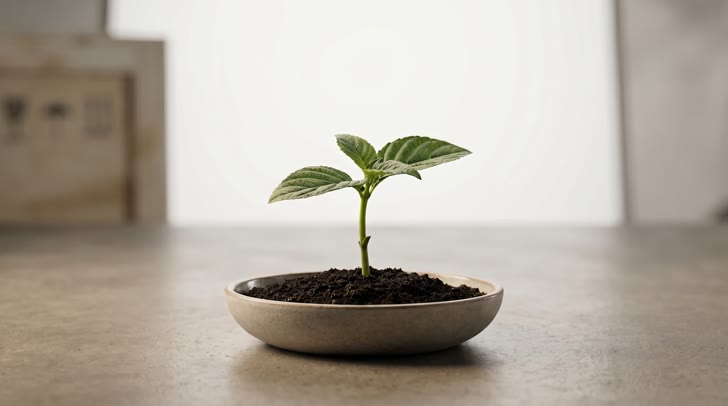
Organic Peat Suspension
A natural soil activator based on peat-derived humic and fulvic substances — liquid, concentrated, fertigation-ready.
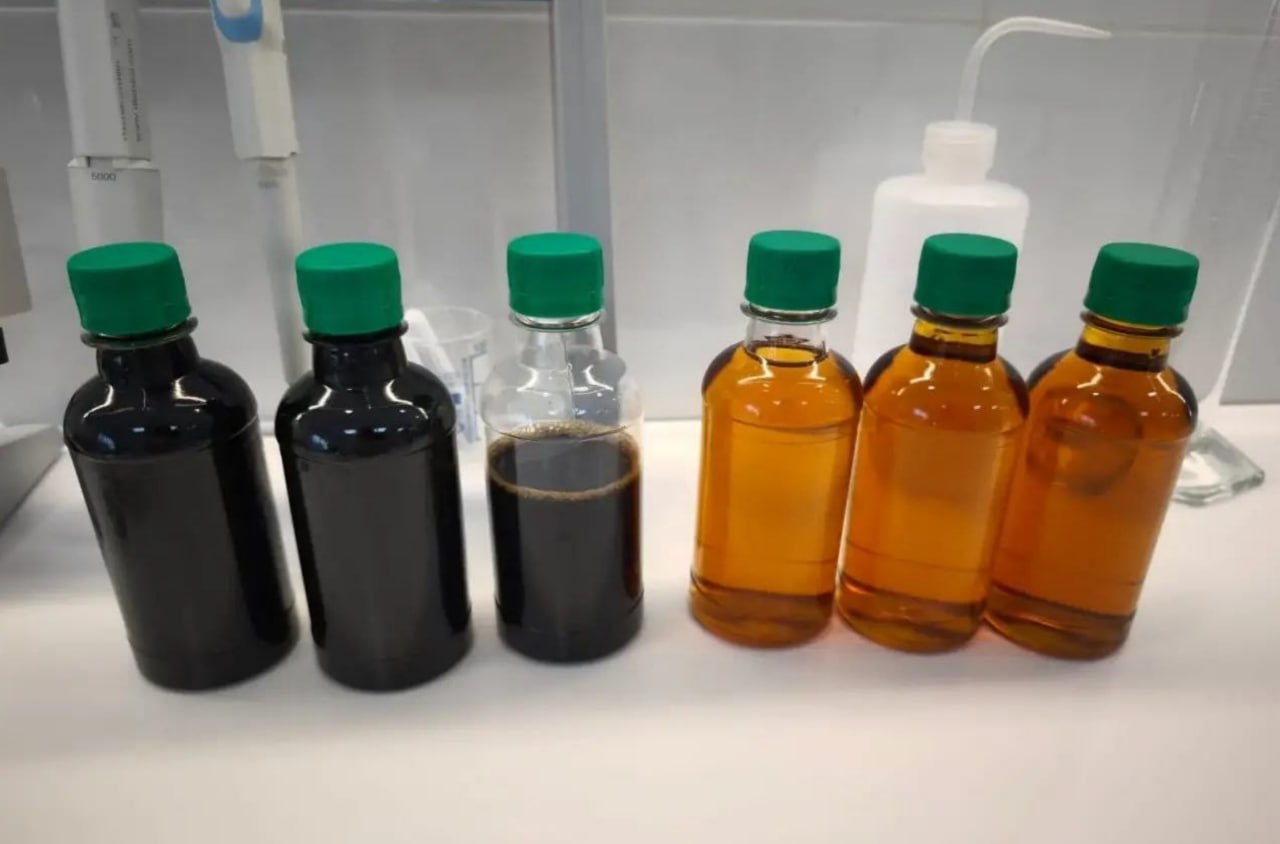
Organic Peat Suspension is a natural soil conditioner produced from high-quality Baltic peat rich in humic and fulvic substances. It is designed to improve soil fertility, stimulate plant growth, and enhance nutrient availability for sustainable agriculture — applied through fertigation, drip irrigation, or foliar spraying.
We supply the concentrate in canisters, drums, and IBC tanks for pilot trials and commercial programmes across the GCC, MENA, and CIS markets.
- 100% natural origin
- Humic & fulvic acid rich
- Highly concentrated liquid
- Biodegradable
- Safe for soil microorganisms
What it is
A concentrated biostimulant, not a fertiliser substitute
The product is based on naturally extracted peat humic substances. It works alongside mineral fertilisers — improving their efficiency, reducing leaching, and feeding the soil biology that drives nutrient cycling. It is safe for beneficial organisms and compatible with most agrochemical programmes.
Main components
- Humic acids
- Fulvic acids
- Natural organic matter
- Trace minerals from peat
- Beneficial organic compounds
See it work
Up to 50% more water held in the root zone
The clip shows what humic substances do to a sandy profile — aggregates form, pore structure improves, and water-holding capacity around the rhizosphere lifts sharply. Crops draw on a steadier moisture supply and ride out heat and dry-down cycles with measurably less stress.
Downstream: stronger root development, better nutrient uptake, fewer irrigation cycles, and noticeably more efficient water use under UAE field conditions.
Composition
Typical Composition
Values vary slightly depending on peat source and concentration; a certificate of analysis accompanies every shipment.
| Parameter | Value |
|---|---|
| Organic matter | 20 – 40 % |
| Humic substances | 10 – 20 % |
| pH | 6 – 8 |
| Dry matter | 15 – 25 % |
Source: supplier technical data sheet, 2025.
Lab analysis
Technical Parameters
Independent batch analysis against GOST methods — the certificate of analysis values for a typical production lot.
| Parameter | Test Method | Result |
|---|---|---|
| Moisture, % | GOST 26713-85 | 82.4 |
| Dry residue, % | GOST 26713-85 | 17.6 |
| pH | GOST 11623-89 | 6.44 |
| Total nitrogen, % | GOST 26715-85 | 2.17 |
| Total phosphorus, % | GOST 26717-85 | 4.52 |
| Total potassium, % | GOST 26718-85 | 2.90 |
| Humic acids, g/L | GOST 9517-94 | 0.43 |
| Ash content, % | GOST 26714-85 | 37.6 |
| Organic matter, % | GOST 27980-88 | 62.4 |
CIS state standards (GOST). A full certificate of analysis is issued for every shipment.
Independent verification
Test Report 88706-1.2
Sample 88706-1 — peat suspension drawn on 3 March 2026 and analysed for active humic-substance content under recognised methods.
| Parameter | Method | Result |
|---|---|---|
| Free humic acids yield, % | GOST R 54221-2010 | 44.0 ±4.4 |
| Fulvic acids, % | Soil chemistry manual, 2012 | 11.4 ±1.1 |
Measured on an HM HM-200 electronic analytical balance (s/n 13506131); calibration certificate S-MA/06-10-2025/471634885, valid until 05.10.2026.
Benefits for soil
Works on the soil first
Humic substances act where mineral fertilisers alone cannot — on the physical, chemical, and biological condition of the root zone.
Better soil structure
Aggregates loosen, aeration improves, and root penetration becomes easier.
Higher water retention
Critical for GCC soils — the suspension increases field capacity and cuts irrigation losses.
Active microbiology
Feeds beneficial bacteria and mycorrhizae that mineralise nutrients in place.
Nutrient availability
Chelates Fe, Zn, Mn, Cu — unlocking micronutrients that would otherwise be locked in alkaline soils.
Reduced leaching
Cation-exchange capacity rises, so NPK fertiliser applications deliver more of what you pay for.
Long-term fertility
Rebuilds the soil organic matter that intensive farming depletes.
Benefits for plants
And delivers in the canopy
Stronger root development, especially in early growth stages
Improved nutrient uptake across the fertiliser programme
Better resistance to drought, salinity, and heat stress
Faster chlorophyll production and greener canopies
Measurable yield and quality gains at harvest
How to apply
Three Application Routes, One Concentrate
The suspension is easily diluted with water and delivered through whichever programme fits the crop:
Soil application
- Drip irrigation
- Sprinkler and pivot systems
- Fertigation lines alongside mineral fertilisers
Seed treatment
Improves germination uniformity and early root mass, particularly on stressed or low-organic soils.
Foliar spraying
Used as a biostimulant top-up during key growth stages — budding, flowering, fruit-set.
Dosage
Recommended Dosage
Field rates are a starting point — we share a crop-specific programme once we know your soil analysis and target yield.
| Application | Dosage |
|---|---|
| Field crops (wheat, corn, barley) | 3 – 5 L/ha |
| Vegetables | 4 – 6 L/ha |
| Fruit trees | 5 – 8 L/ha |
| Seed treatment | 1 – 2 % solution |
Always dilute with water before application.
Target crops
Where it performs
Cereals
Wheat, corn, barley, rice — especially on low-organic soils.
Vegetables
Leafy greens, solanaceae, cucurbits — open field and protected.
Fruit trees & berries
Citrus, dates, stone fruit, table grapes, blueberries.
Greenhouse crops
Substrate + fertigation programmes.
Ornamentals
Turf, landscaping, nursery stock.
Regenerative programmes
Cover crops and soil-rebuilding rotations.
In the UAE
Where local growers deploy it
From open field to protected cultivation, these are the crops UAE growers most often specify the suspension for.
Onions
Tomatoes
Cucumbers
Potatoes
Greenhouse crops
Other vegetable crops
UAE landscaping & municipal
Beyond the farm gate
The same humic chemistry that lifts farm yields holds turf, palms, and amenity planting through the UAE summer.
Palm trees
Lawns
Golf courses
Municipal parks
Villas
Pricing & dosage
What it costs per hectare
Price
AED 63
per kg
Application rate
1.3 L
per hectare
Dilution
1 : 5
with water
Cost per hectare · one cycle
1.3 L × AED 70 = AED 91
Indicative pricing only — final offer issued per inquiry.
Economic model · UAE
How the savings stack up
Conventional
AED 3,000
NPK fertiliser only · per ha
- NPK programmeAED 3,000
With peat suspension
AED 1,591
NPK programme cut by half · per ha
- NPK at −50%AED 1,500
- + Peat suspensionAED 91
Net savings per hectare
AED 1,409
Same agronomic baseline, lower input spend. The suspension's biostimulant value lets you draw down NPK without losing yield.
Environmental
Why it fits regenerative and ESG programmes
- Natural and fully biodegradable
- Reduces dependency on synthetic inputs
- Improves the soil carbon profile over multi-season use
- Safe for pollinators and soil fauna
- Compatible with organic certification programmes (check local rules)
Packaging
Available Packaging
| Packaging | Typical use |
|---|---|
| 1 L bottles | Trials, garden centres, retail |
| 5 L containers | Small growers, demo plots |
| 20 L canisters | Commercial farms |
| 200 L drums | Mid-scale programmes |
| 1,000 L IBC tanks | Bulk fertigation and repack |
Storage
Storage and Shelf Life
- Store in a cool, dry place away from direct sunlight
- Keep container tightly closed between uses
- Shelf life: 24 months under proper storage conditions
FAQ
Common Questions
Is this a replacement for NPK fertilisers?
No — it is a biostimulant. It makes mineral fertilisers work better, but does not carry enough NPK on its own. Pair with your standard fertiliser programme.
Can I tank-mix it with pesticides or other inputs?
Usually yes, but always jar-test first. Avoid mixing with highly acidic concentrates or calcium-rich solutions without a compatibility check.
Do you ship in smaller trial volumes?
Yes — we can put together a pilot shipment built around a single IBC or a pallet of 20 L canisters. Contact us with your trial protocol and we'll quote accordingly.
Next step
Want a crop-specific programme and a firm offer?
Share your destination port, target volume, and the crop you're programming. We respond within 48 hours with CIF / CFR pricing and a tailored dosage schedule.
Frequently asked
Buyer Questions
What is the minimum order quantity?
1 × 1,000L IBC tote upwards. Container loads of 20 IBCs (20,000L) are common for regular fertigation programmes.
What is the difference between humic and fulvic acid?
Humic acids are larger molecules that build soil structure and cation-exchange capacity over time. Fulvic acids are smaller, plant-mobile molecules that chelate nutrients and accelerate uptake. The suspension contains both, in concentrations suited to fertigation and foliar use.
What application rates do you recommend?
5–15 L/ha for foliar applications; 20–50 L/ha for fertigation; depends on crop and soil profile. Technical guidance is supplied with each programme — rates are not a substitute for an agronomist's site read.
Can it replace conventional NPK fertiliser?
No. Organic peat suspension is a biostimulant and soil activator, not a primary fertiliser. It improves NPK uptake efficiency — typical pairing achieves 20–30% reduction in granular NPK with maintained or improved yield. Used alongside chemical fertilisers, not instead of them.
What is the shelf life and storage requirement?
24 months sealed, stored between 5°C and 35°C, away from direct sunlight. Once an IBC is opened, use within 6 months and agitate before use.
Where does the supply originate from?
European peatlands. Production lots come from EU-certified extraction sites with documented sustainable harvest plans.
Explore
Related Products
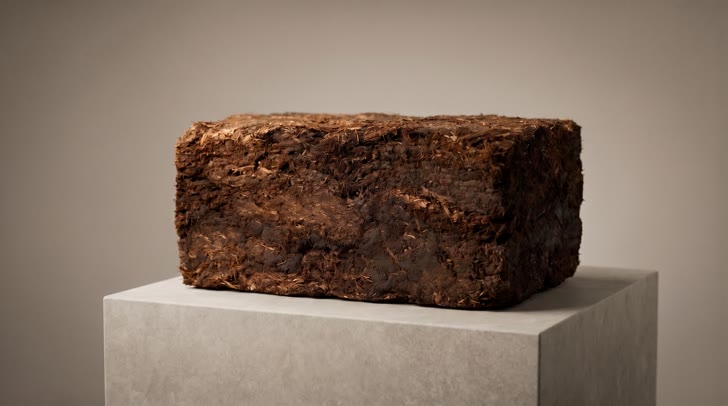
High-Moor Peat
Working-grade sphagnum peat from CIS raised bogs — GOST-certified, rich in humic acids, built for substrate and compost programmes.
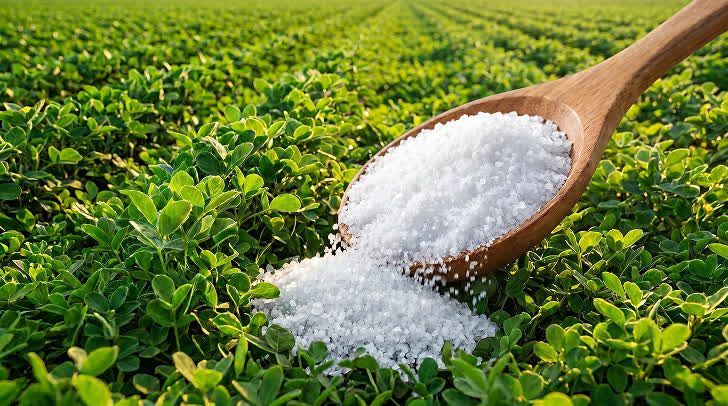
Urea 46
46% nitrogen urea at world-class spec — prilled and granular grades, multi-origin supply via Caspian, Black Sea, and Persian Gulf corridors.
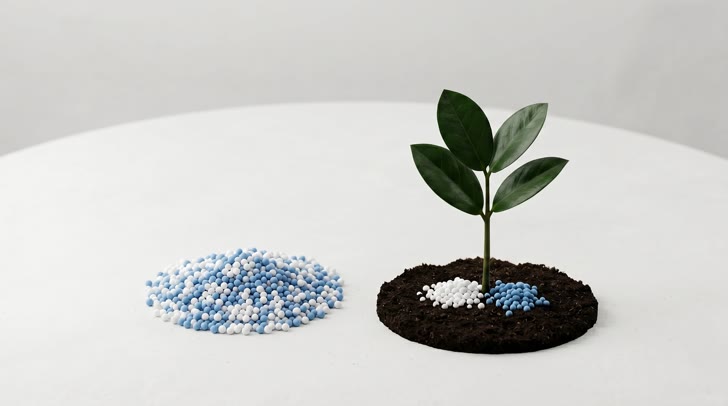
Chemical Fertilisers
Nitrogen, phosphorus, potassium, and NPK blends from vetted producers — in the specs your agronomy demands.
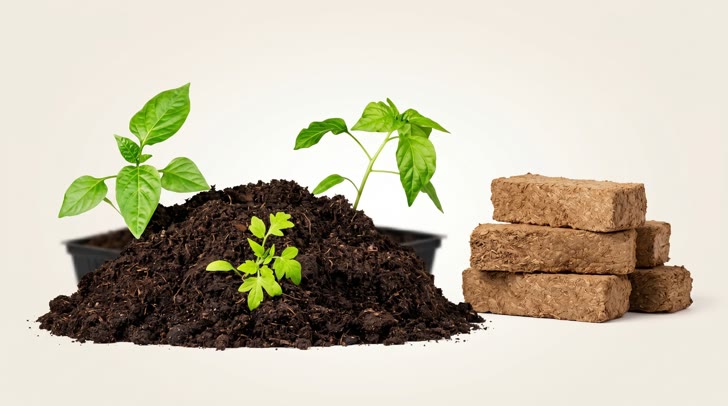
Baltic Peat
High-moss sphagnum peat from Baltic raised bogs — the reference substrate for professional horticulture.
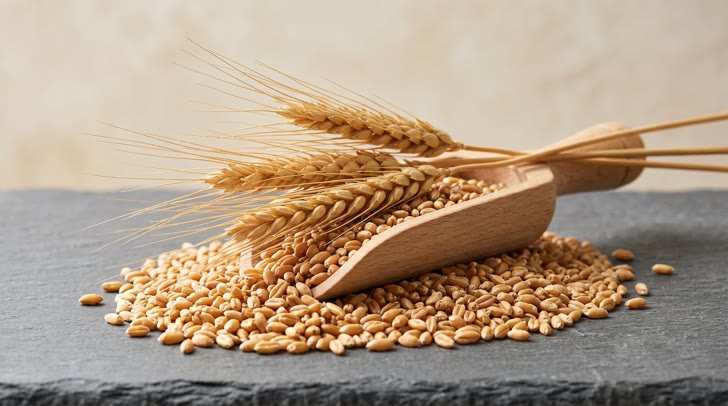
Wheat
Grade 3 milling wheat at world-class spec — bulk supply via the Aktau/Caspian corridor, with alternative origins on request.